Hey coach. I know you have put in a lot of time thinking about your practices. Maybe you’re doing the same things with your players as you had when you were a player. Depending on how good the program was that you were in, that might be a good enough or a not-so-great thing.
What you were raised with is a great place to start, but if your practices look like what I’m about to describe, it might be time for an upgrade.
I’m going to take a quick guess and say that you’re getting everyone stretched out, warming up their arms, and then getting them a quick jog around the field to get started. That’s a tried-and-true place to start for most little league teams.
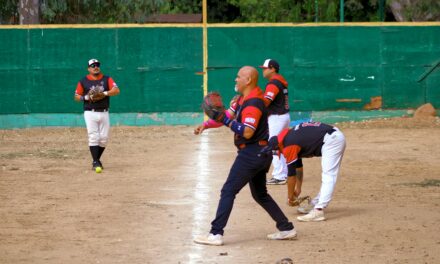
After that, do you station players out in the field, fielding a full field, and then hit scenario drills? You know what I mean, telling everyone, plays at first and going around the infield and making sure kids know where they should be covering during the play, and then going around the outfield? Do you then switch to “get 2” and do it again? From there, do you have any clue where to go that isn’t a scrimmage?
This classic warmup is still perfect before a game. If you have taught your players age-appropriate information about how to execute it, it can be a treasured pre-game ritual that helps players know how the ball is moving on this particular infield and gives them an idea of what they will be looking up into today to catch fly balls. This all helps your team come game time.
But this isn’t where your practice should start and end.
Actually, you can probably skip this entirely most practices.
Why?
Well, everyone standing around while you make those rounds is getting nothing out of that. You are doing the heavy lifting in that exercise if we are being honest here coach. You shouldn’t be the most exhausted one at the end of practice. The kids should be a balance between tuckered out and inspired to work hard.
That doesn’t come with the standard issue drill set. We need a little more.
Now, this blog is not meant for the expert coach. This is meant for the folks that know just enough to be dangerous if they aren’t intentional. So, if you have ideas that are bigger and better than what we share here, you are welcome to share them in the comments, we are always looking for more, but today my goal is to offer you a framework from which you can build your own coaching style around. Sounds good? Great!
Downtime Kills Focus
My wife is a former educator and knows the secret to managing a group of kiddos without losing them.
Never let them get bored. And I mean never.
Simple, but not easy. It’s simple because if you keep them moving with purpose, they will be focused and on task.
This requires planning. You can’t just luck your way into the perfect practice that keeps the kids focused. The good news is that there isn’t an extreme amount of time required to plan a great practice. Actually, you should be able to do it with as little as 15 minutes, depending on the level you are coaching, your experience, and the outcomes you are hoping to achieve.
Without planning, you will waste time and may even end up needing to yell to be heard above the din of the fun that the kids will be having in their newfound “free-time” with friends.
More Reps Means More Growth
Another advantage to a well thought out practice is that you get the chance to make sure you are getting every kid an opportunity to develop their skills as baseball players all-around. That means that parents will see the growth in their children under your tutelage. This pays dividends later when they question a decision. You already have social capital built with them if their player is getting visibly better each practice.
In order to make sure you are getting reps in for each player you are going to want to treat every practice like a mini-camp with stations where they focus on skills in small groups.
Don’t let this overwhelm you though. Once you plan out one great practice, you’ll be surprised how easily the kids follow the directions the second time around. You’ll love their reactions to new stations when you add them. Kids are the truth man; they won’t hide what they think. You’ll know when you’ve found a dud that shouldn’t come back. But you’ll also be elated when you have a new favorite among the players and the rest of the folks you are working with.
It Takes a Village to Train Elite Baseball Players
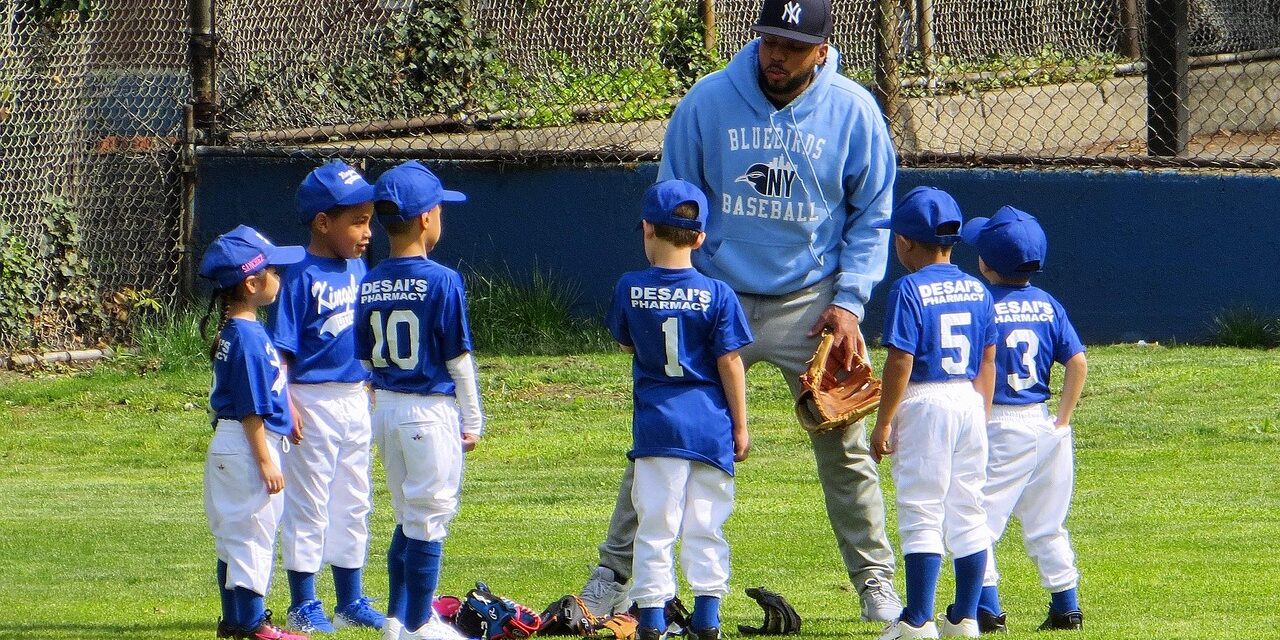
Speaking of the folks you’ll be working with, hopefully, if you are the head coach, you have at least an assistant or two to help out during practices. Depending on how big your team is, you will likely want to recruit at least one or two parent helpers to take on small groups during the skills station rotations.
Based on your leadership style, you have a few options with how you can include others in the practice planning process.
You could plan everything out and then assign out where everyone will be. I find this a little less favorable, because it doesn’t necessarily honor the skill sets of your colleagues. But if you know what everyone is good at already, this might be an easy decision to make.
Alternatively, you could put together the list of the stations, and then ask your volunteers (preferably in advance of practice) to choose which station they feel the most comfortable with coaching. This one can make people feel more valued, which is important for building a leadership team that works well together.
Lastly, you could coordinate the practice plan with the other coaches/volunteers ahead of practice. This could be done through your app if your organization has one, or through text, or a quick meeting at the end of practice to plan for the next one. Usually this works best after the first practice shows the desired framework and people have bought in to the excitement after seeing the results with the kids. It means you don’t have to feel like you are making every micro-decision and when you are already making a million decisions at home and at work, that can be a relief.
No matter how you decide to plan the practice, you’ll still need to identify the key skills that you will be getting them to work on and how. So, you’ll need to find a drill that works with the resources that you have. There are so many that you can find online, but I highly recommend looking here at the USA Baseball practice plans repository first. You’ll also need to know what the coach at that station should be looking for. Especially for inexperienced volunteers, empowering them with a few coaching points can be a great way to set them up for success.
Just Like in Hitting, Timing is Everything
You know how long you have for this practice and you know how many practices you should be able to have this season, if the baseball Gods can provide you with the weather to get them all in that is! Use that information to decide how much of your time should be spent on skills stations and how much should be spent on other things.
Note: if you are at a level where players are facing kid pitchers and you aren’t getting them a TON of time facing their own teams’ pitchers, you are missing out on the best way to get them comfortable hitting off of someone who is trying to strike them out. It’s not going to move the lineup as quickly, but it will help your pitchers to get practice with live batters too, which is important if they aren’t throwing bullpen sessions just yet. Just do us a favor coach and count the pitches they are throwing and make sure to manage their workload with them. You can check the Pitch Smart Guidelines for your player’s age to know how much rest they need after how many pitches as a baseline. More science baked strategies for workload management coming soon.
What I Wish We Knew Sooner As Little League Coaches
We found a pretty good groove with our teams once we were a few years in to coaching. I’m hoping that this article, and many of the ones on this website will help you do better much more quickly than we did as we pieced together information from across the internet. You’re already much closer to a productive practice than we were in your shoes just by reading this far! Nicely done coach!
Our practices usually went something like this:
- 15 mins: Players paired up to catch when they arrived (great buffer for late arrivals) borrow this under-over drill we loved by reading about it here
- 5 mins: Quick jog around the field and stretching together as a team (note: if all players arrive on time, prioritize stretching before catching and include band work for your pitchers).
- 1 hour: Station rotations – we usually had 12-16 kids that we broke into 4 equal-ish groups and had them move through 4 stations spending 15 minutes at each before moving
- 30 mins: we either went into scrimmage mode or got the kids time in the batting cages while working in smaller groups on situational baseball.
- That meant splitting into two groups – 20 minutes in groups swapped between baserunning/situational drills and the cages
- 2 mins: have kids pack up while you give them any information they need
- Always ended on base race – so much fun – read about it here.
Scrimmages are Data – Use it!
If you don’t have a notebook with you at practice, you are missing out on the chance to take notes on what the kids are doing well and what they could get some more time focused on. Scrimmages are a gold mine of information if you know how to use them properly.
I’ll dive further into how to maximize the data you can gather from a simple practice in this article here . If you want to know when it’s live, consider subscribing to our newsletter to be one of the first to know!
But at baseline, if you notice that every time the ball gets hit to first base, no one is covering as the first baseman is pulled off to go after the ball, you know exactly what you need to work on next practice.
Either way, make sure you are taking notes of great things your players are doing as much as you are noting things that need to be worked on. It’s important for your brain that you believe positive things about your players. It’s easy for our brains to default to negativity, even when thinking about kids. These notes will help you stay positive about your players.
Added bonus: use those positive notes to share with parents if you have time. Sending a little note saying that Johnny is doing so much better with fielding will do worlds of good for the family that has been working overtime to afford outside lessons to get him to improve or is spending hours in the backyard working on it with their kiddo themselves. It’s another way to build rapport with parents and earn some grace in the event of an inevitable misunderstanding. I wish I had done this more as a coach. I was great at doing this as a teacher, it was always worth the time to send a positive note. I hope you’ll try it.
It Gets Easier Over Time
Just like any new habit, it gets easier as you do it over time. Planning a better practice is within your reach coach. You don’t need to spend days scouring the internet to come up with 101 new drills to keep the kids engaged and excited. You just need to make sure that your time with them has them working harder than you. With just a few minutes of planning, you can make sure that you and your coaches and other volunteers are working as a team to help your team to grow as much as possible throughout the season.
If you feel a little overwhelmed and want a resource that will support your ability to plan your first great practice. Check out our printable Baseball Practice Planner on our Etsy Shop. We would love to help you build a system that works for you for years to come and is easily scalable as you grow as a coach and as your players advance in levels. We can provide customized solutions for you as well, just ask! Send us a message on Etsy or email us at info@strikesportsllc.com. We’d love to be of service to your success.
With a plan, you’re surely going to run a better practice today than you did yesterday coach! Keep growing!