As coaches of little leaguers, we were surprised to see that the underhand toss between players when they were close to each other on the field was a big pain point for our players.
Inevitably, even at the 10U level, there were players that would underhand the ball from too far away or, more terrifyingly, would overhand a toss to someone too close to them risking injury if the glove on the receiver wasn’t ready to protect the player.
It became clear to us that we needed to find a way to get the kids reps with shorter underhand tosses and help them to visualize the delineation between underhand and overhand according to their arm strength and the person they were catching with.
After implementing this drill at the start of practice, we saw a dramatic increase in our players command in these situations. They started making more appropriate decisions, more quickly, and were more confident in their execution. We used this with 8U through 12U and it worked at every level. Everyone needs reminders and chances to practice this skill.
As an added bonus, we were warming up our little leaguers to long-toss. Which many would argue is the cornerstone of pre-hab for pitchers’ arms even in 2026 with all the new technological interventions in baseball training.
Here’s how you set it up:
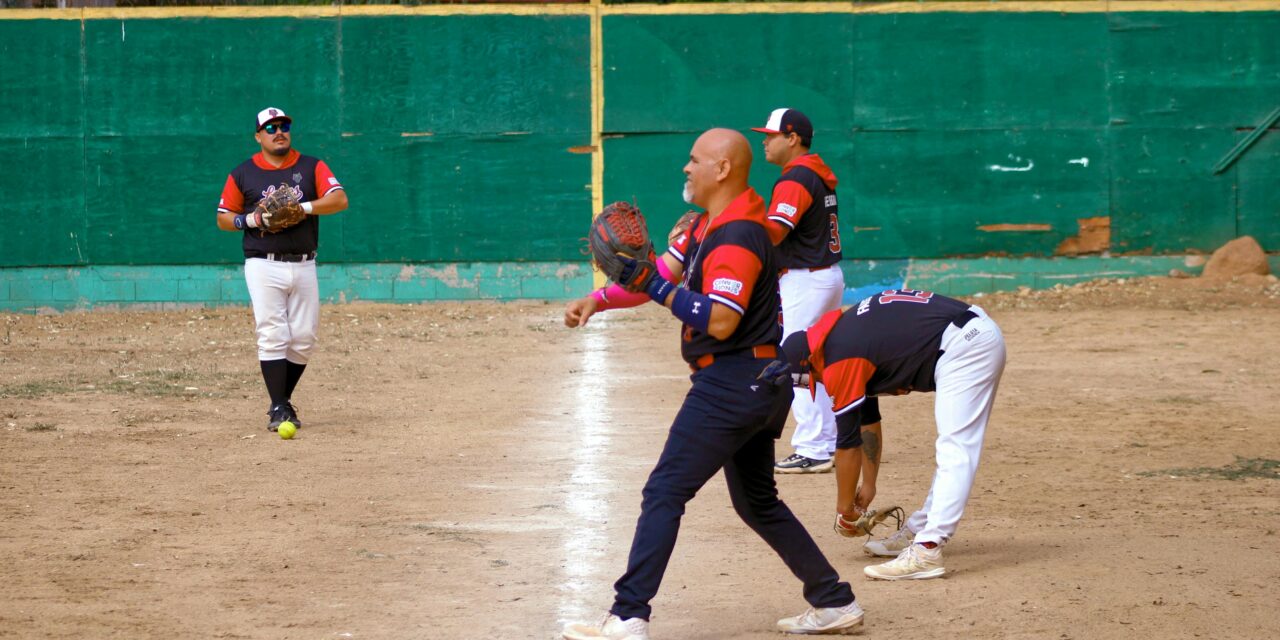
- Have players partner up with one partner on a foul line in the outfield grass and the other partner just a little more than arms distance in front of them.
- For younger players – have everyone on the line spread out their arms like airplane arms to make sure they give each other enough space
- Coach – you grab a partner for the demo – preferably another adult
- Throw your first toss to your off-the-line partner, they then throw it back. If you both catch it, that’s one successful exchange.
- Then, the partner in the field off the line takes a big step backwards.
- Repeat the toss out and back.
- With each successful back and forth, the partner in the field takes a step back.
- At some point, you will want to switch from underhand tosses to overhand – be sure to demonstrate and explain your choice to the players
- If a ball gets dropped. Start back at the initial distance and keep working the short distance and transitioning to overhand tosses.
The main focus for this drill is accuracy, but also on thinking through how they will execute the throw in a low-stress environment.
Added Bonus:
As the kids start to really get the hang of this drill, you can create competitions that push them to see how far they can accurately throw the ball. We would have everyone start at the same time and then whoever got the furthest in a specified period of time, regardless of restarts, would win something. It was incredible to watch players discover the cannons they had attached to their bodies that they didn’t really know they had. The incremental increase made the distance more manageable and removed the psychological barriers of having never tried to throw that far before.
We used to start every practice this way. It became a cherished ritual for our teams and made them noticeably better at judging how they should throw for the distance they were at during games. If you want to dig into practice planning further, the article where this is originally mentioned can be found here.
Until next time, keep learning about your hidden talents,