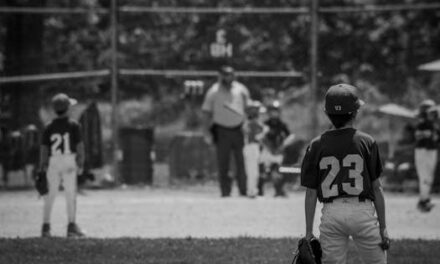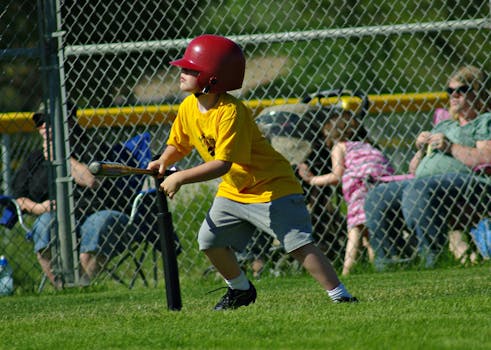
After years of coaching, last year, my husband and I found ourselves on the sidelines, spectating again. About halfway through the season, I started to really feel the toll that it was taking on my body.
That was because of all of the other time that I spend sitting over the course of the day.
Have you ever stopped to think about how much of your life you spend sitting?
Let’s just take an average baseball family, and let’s list out the chances to sit vs. the chances to move.
Opportunities to sit include:
- Breakfast
- Commuting to work (if needed)
- At desk all day for work (for those with desk jobs)
- Lunch (but maybe change venue)
- Commuting home from work
- Driving to practice/game
- Watching said practice/game
- Driving home (maybe getting takeout on the way home because who had time to cook?)
- Eating said dinner
- Doom scrolling or watching TV when you get home (maybe some more baseball there)
What about the opportunities to move? Some might include:
- Racing around in the morning gathering things in a stressed-out panic before leaving on time to make it to the bus/work on time
- Stealing a few steps to get a cup of coffee/tea/refill water
- Walk to the restroom
- Walking to and from the car
- A little tidying when you get home
- Dinner
- Cooking/cleaning up after meal
- Maybe a workout if you’re intentional and steal the time from somewhere
I did a lot of heavy lifting there to make sure to list out 8 opportunities for movement. But compared to the 9 that are forcing us to sit, the movement durations on that list are highly variable and usually very much shorter than their sedentary counterparts.
Our “modern” lives reward sitting. Our bodies are not as excited about it as our bosses are though.
We have been properly domesticated though. In 2026, most of us don’t even question the idea that we would be expected to work 8-10 hours a day at a desk. Maybe some pushback starts when we are asked to eat at our desks and work through lunch, but who could afford to lose their jobs right now? Not many of us.
So, we comply. We sit. We eat when we are told, we use the restroom when it works for our meeting calendar, and most of us wouldn’t even dare to take a stroll off-site or outside during our breaks.
Then, when we get home, or log off, we want to relax. Our brains have been firing on all cylinders the whole day. All day we code-switch. In the middle of one thing, we’re answering texts, Teams/Slack messages, emails, and phone calls. So, we are never doing only one thing. And every one of those things we are doing requires nutrients for our brains to run on. It’s no wonder we crave caffeine and sugar to battle back the fatigue in the afternoon. But by the time we get home, the crash has set in and we have little to give to our families, let alone ourselves. So, what do we do? We sit some more!
But even mice get wheels in their cages if we want them to live any duration of time. How come we haven’t demanded more? Although, there are these cool walking pads and standing desks, but the benefits of them have shown only mild improvements in overall wellbeing.
They say that sitting is the new smoking.
That’s because of the toll that it takes on our bodies to be sedentary all day long.
It wasn’t always this way though. While white-collar work is certainly an upgrade from the coal mines, it has drawbacks that are still being fully understood.
What we really need is to break free from our chairs more. To get moving more. In ways that fill our cups and make us feel better. In ways that are actually fun. Especially with others. Not just because we are moving for the sake of it, but because we are in community with one another. That’s so much more important than people give it credit for. The pandemic put a serious hurting on these types of pro-social behaviors. I think it’s time we bring them back, and do them with more intention than before.
Lack of movement has been tied to a whole host of issues that are common to Americans including: heart disease, diabetes (at least hyperglycemia and insulin-resistance), bone loss, and even dementia and Alzheimer’s. Clearly the American diet isn’t doing wonders when it comes to these things either.
Small Moves. Real Change.
We can claw back some of our sovereignty if we do it together. Even small, daily, incremental lifestyle changes add up to big differences when projected out over 10, 20, 30 years.
The time to start is now.
‘What could you do to find ways to build more movement into your life? Could you join an adult league and be a player instead of just a spectator? I talk about that more here in this post if you want to explore fitness and fun more. Could you start walking with a friend once a week after work? Could you bring a ball and glove with you to your child’s practice and have a catch with your partner or your other child while practice plays out? Could you start a short walk on beautiful sunny days at work? If the last cup of coffee can’t bring your focus back, the sun and your muscles just might.
Disclaimer: You might not want to go back after being outdoors. If it hurts too much to go back, you may have to find a different time to get yourself moving. Please consider your long-term employment goals when engaging in joyful activities while at work.
What did I miss? What are the other ways you are forced to sit? How else might you add a little movement medicine into your day? What has worked for you?
Until next time, keep it moving!