Shots fired. I’m coming for you today travel baseball.
You aren’t doing enough to help our players grow and it’s about time we start talking about it.
Think about the standard baseball game.
- Does every batter result in a hit or a ball that is playable for the fielders to learn from? No.
- About how many plays would you say are in the average youth baseball game? Not many, right?
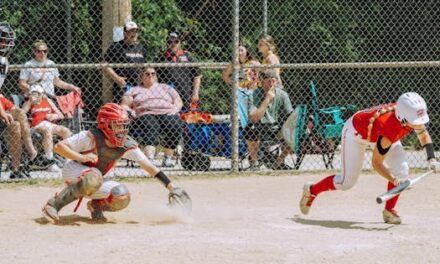
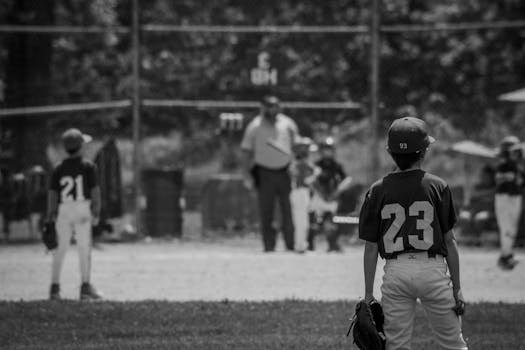
- How many plays does the average player end up involved in with their hands on the ball per game? A small handful if they’re lucky right? For everyone who didn’t pitch, catch, or play first at least. It’s possible they don’t see any action at all actually.
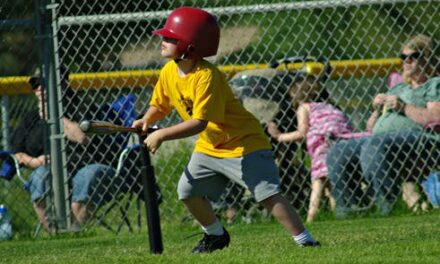
- How many times does a player get up to bat in each game? We’re back to that small handful quantity here. (The number cited by many on this forum is 3).
Now let’s think about how many reps we need to put into a skill before it becomes automatic. Is a small handful, even if you multiply it out by the longest travel ball season, ever going to be enough to make a real meaningful difference in the skill set of the player?
No.
That’s because expertise is measured in hours put in practicing the smallest of details. Research tells us that if you want to master anything, you need deliberate practice. You need structured training and feedback on your technique.
What Mastery Actually Requires
Malcolm Gladwell does a great job painting the picture of what this looks like in his book Outliers: The Story of Success. If you have ever heard of someone putting in their “10,000 hours” on something, this is where it is coming from. While he popularized this research, it was published in 1993 by Anders Ericsson, and the original work is worth digging into directly if you want the full picture. Ericsson studied deliberate practice in violinists, which is such a great analog for pitching because of the fine motor training that is required for doing either.
But what always seems to get missed is that this isn’t just doing something over and over again either. It’s breaking down your task into its smallest component parts. It’s getting an instructor to see things through fresh eyes. It’s doing scales and drills every day.
There are also parts of life that support that training, but that wasn’t really his point. But we know that adequate rest, nutrition, and being safe enough at home are also really important, especially for youth athletes.
My point is this: you don’t put in 10,000 hours on a baseball field to be great on the baseball field. You have to put in those hours working on your craft off the field so that you can be great once you are on the field.
And travel baseball is doing more to get in the way of this work than it is to encouraging players to do the work.
Why This Doesn’t Apply to Other Travel Sports
While you should always be doing something every play on the field, baseball isn’t the same as other sports. It has a much lower time on task than many.
Lacrosse, soccer, field hockey, hockey, basketball, even football, all have more focused time on task and opportunities to learn while in the game. There are many more reps that a player on one of those teams is going to get. So, more games actually contribute to their ability to get better.
Still, not all of the reps should be under that amount of stress, right? I think we can all agree that doing work off the field should always be encouraged, but it seems like travel sports are muddying the waters on this.
The lack of opportunities for reps during baseball games means that more games ≠ better players. Especially if sleep, nutrition, and overall wellbeing are neglected.
What Kids Really Need
As coaches, we watched kids struggle to get better once practices ended (usually after the first game was played). I know that our little league wasn’t alone in that either.
Even the best pre-game warmup only gets players a few throws, a couple of grounders, and a handful of flyballs. Without practices, most players weren’t getting much more than a catch with someone at home. Few had parents that knew how to help them to keep growing, and not all of those parents had the time to help their players while the sun was still up.
In that moment, we saw a really important hole that isn’t currently being filled by the industry. A place where players can come and practice, often, like a gym membership, where they get individual support and feedback but also lots of time to get in reps “on their own”. If there were groups that connected and scrimmaged, the added benefits of bragging rights for their improved skills would be easy encouragement for them to keep going.
While you could use one of the existing facilities to do something like this, you are going to miss out on core things, starting with customer experience, that our facility will address. More to come on that soon. But our goal is to make sure that every kid has access to their own version of the wall with the red painted x that my husband grew up with. Read more about that here (TLDR; he honed his command before leaving 10U as a pitcher using it for hours on end).
So, We Wouldn’t Make a Travel Team?
Maybe. There are a few exceptions to what probably felt like an easy “no” from the rest of this post.
We know that extra innings are important. We aren’t trying to say that baseball scouts won’t be looking for top talent during summer and fall baseball.
We also know that showcases are a part of getting recruited too. We get it. The face of things has changed dramatically since we were in school.
We are just looking to help players control the controllables. Getting more reps is something you can control as a baseball player to get better every day. But access to space and tools to do this is widely varied across kids in the US. There are too many that simply cannot afford to play travel ball just to get access to this training. We want to help level that playing field.
Simply paying to play in more games isn’t enough. Even getting more practices with your team isn’t enough. There are thousands of hours that stand between you and greatness, and players of all ages need a place to put them in.
Does this sound like the thing you have been feeling and searching for but haven’t been able to quite put your finger on it? If so, we hope you’ll subscribe to our newsletter and join our community by engaging in the comments.
We’re building the solution to this problem and we are so glad you’re along for the ride with us.