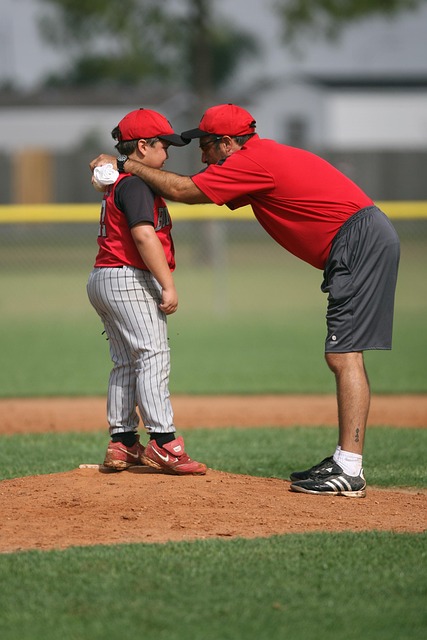
By now, I am positive that we have all seen the funny videos on TikTok or Reels or Shorts of the little league coach going to talk to his pitchers and making fun of them once he gets there, like this one here.
These are obviously done for laughs on the internet, but there are quite a few coaches who I have seen that try this tactic IRL! Yikes!
These youth baseball coaches are going viral for the wrong reasons. Here is what players really need from you during a mound visit.
If you are coaching youth sports for the right reasons (i.e. helping the community, caring for the kids, etc.) then this is probably not your approach. However, if you are reliving your glory days (cue the Springsteen), you may have missed the sarcasm and satire in these clips.
Youth baseball is about learning what “right” looks and feels like and then figuring out how to repeat it again and again. Sounds easy enough, but anyone who has tried knows that it is not.
It can be hard on the kids to struggle, but it can be equally hard on the coaches or parents (who are sometimes one and the same) to watch players struggle their way through the learning process. But learning doesn’t happen when we are comfortable.
What Not to Do
These moments of struggle may lead you down the dark path of cracking jokes or “teasing” to try and “lighten the mood” or get a lesson across.
STOP!!!
This is a trend that might seem harmless, but does a lot of harm.
Even the kids you think can take it, can’t. They don’t need sarcasm from you, they get enough from their peers. What they do need is your sincerity, support, and expertise.
What To Do: Name the Hard Part
The best way to start every mound visit is to lead with pride – “I’m proud of you”, “It takes guts to stand here”, “You should be proud of yourself,” “You did the hardest thing”. This sets up the player to feel understood. That is important if you want to reach them. If they don’t feel you like you “get them”, they are likely going to tune you out.
Your Calm is A Big Part of The Intervention
Only after you have reassured them can you move onto next steps. If you are just trying to give them a few minutes to breathe, you can talk about something that you would both find funny, or even something mundane.
Keeping the focus off of them for a second is an important way to help them reset their nerves. They can co-regulate their breathing with yours while you give them a couple of minutes to anchor themselves. They won’t even realize they are doing it if you are calm enough and they feel safe enough with you, but that won’t stop the benefits from sinking in.
When You’re Taking Them Out of the Pitcher’s Spot
If you are taking them off the mound and putting in a new pitcher, it’s still a critical time for reassurance. No one wants to come off the mound. No one goes into their pitching appearance wanting to struggle out there.
As you hand the ball off to the next pitcher, pull them off to the side of the mound and let them know that you will continue to work on all of the things to make pitching easier for next time. After all, they already conquered the hardest part – getting up on the mound in front of family and peers and doing the best they could.
If they can keep working, they will surely continue to get better every day. Reminding them that another day will come is important when they are being taken off the mound. It helps to frame the grief they feel, especially if the team is now losing. They will feel more in control of their futures if you can properly frame this last quick part of the discussion well.
A Coaches Most Important Job – Role Model
It can feel trite, but for children, the most important thing for them to take away from working with you should be that they are good enough, no matter the outcome of the game. In order to create brave people on and off the field, we need to acknowledge when they have done difficult things and been brave in the face of them and made it to the other side. Even if it wasn’t pretty.
I don’t want you to get it twisted, I am not a trophy-for-showing-up type of coach or parent. But I know the power of positivity and recognition for doing difficult things. And I also have seen the damage that sarcasm and jokes at the expense of kids can do. Don’t be that coach.
Learning in public is vulnerable and also a wildly important life skill. You’re doing that in real time too coach. So even if you have made some of these errors in the past, you don’t have to allow them to define who you will be tomorrow. Been there, and still growing myself.
As we model these skills for our players, we further nurturing their ability to learn “on the job”. We all have room to be better tomorrow than we were today. That’s an important lesson for us all to learn and relearn as often as necessary.
Who knows, you may just help create the next baseball superstar that no one saw coming.
If you read this far, I’m proud of you coach. You’re working on getting better every day too. I’m glad you’re here.
Oh, and if your catcher needs some structure around mound visits themselves, here is a great piece to send their way for homework. Let us know if it starts a great chat between the two of you!