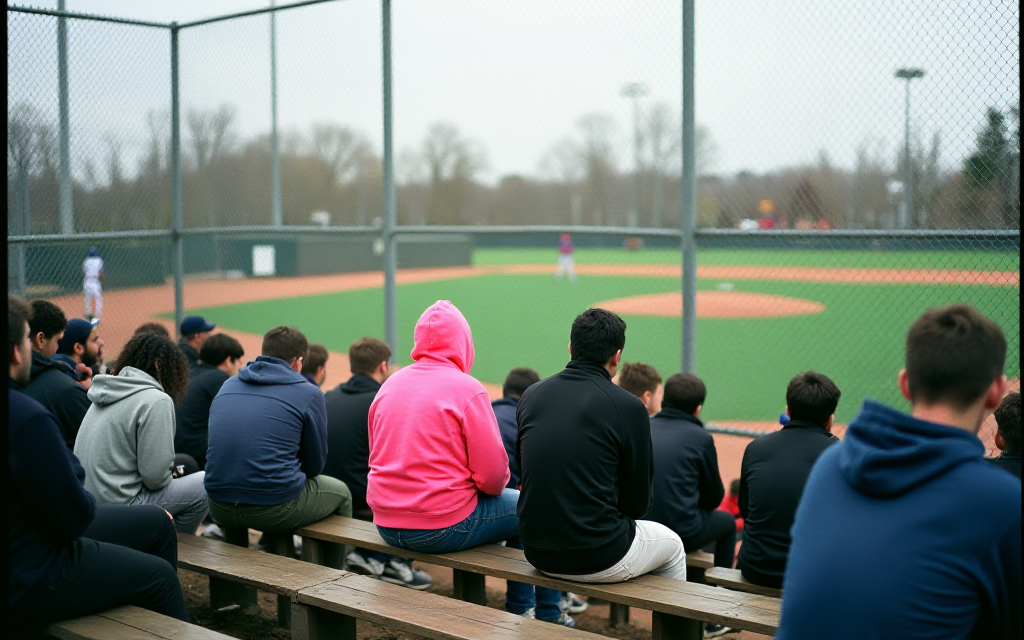
If you just finished up shopping for the start of baseball season like we did, you are probably already acutely aware of the cost of the gear that you personally ended up purchasing.
You also are probably painfully aware of all of the things marketed to your player that you had to say “no” to because they are frivolous and expensive for no reason. I’m looking at you sliding mitt!
Sadly, this is not where the mounting costs of being a parent to a baseball player stop. That is because an entire industry has popped up over the past couple of decades that has intertwined itself into every aspect of the experience of playing the game. I’m talking about travel baseball.
Now, don’t get me wrong, when it comes to getting better as a player, playing with and against players that are as good and better than you is a great way to make sure that you are challenged and growing. A standout player in a small town that doesn’t have a lot of folks playing at their level is going to stagnate if they cannot find outlets to continue to push themselves further. That is, unless their parents know how to help them train, or can find them someone or somewhere to get them training support. Being better than you were the day before takes investment.
Even with all of the resources that you can find online these days, it’s not easy to be a parent trying to help your child. My husband and I know this all too well. We have the knowledge and even most of the equipment that is required, and yet, getting our boys motivated isn’t always easy. As they get older, they put more weight into what they see their friends/colleagues doing and whether they would feel silly doing what we’re telling them to do. And let’s be honest, bands don’t always look tough, even if they are an important tool for arm conditioning. For teenagers, the peer pressure is real. But positive peer pressure is something that as coaches, we were able to leverage to help as many players as possible, as well as our own. If you’re a coach, knowing how to leverage this is a key competency.
The conversations around player development are rarely centered on fundamentals or reps these days. For the most part, the conversation circles around travel ball and showcases. But these are for showing off the work you put in, not where you are putting in the work. We want to focus on helping players to put in the work. And in order to do that we need to define what that work even is.
Complete Player Development
From personal experience and extensive research into existing literature, we have identified 8 core areas that support complete player development, they are:
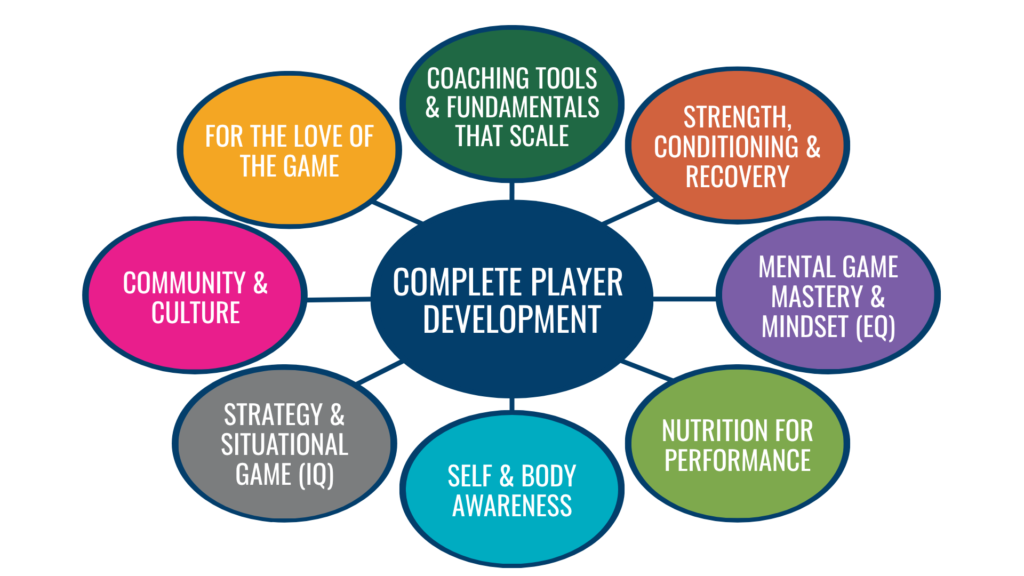
- Coaching tools & fundamentals that scale
- Strength, conditioning & recovery
- Mental game mastery & mindset (EQ)
- Nutrition for performance
- Self & body awareness
- Strategy & situational game (IQ)
- Community & culture
- For the love of the game
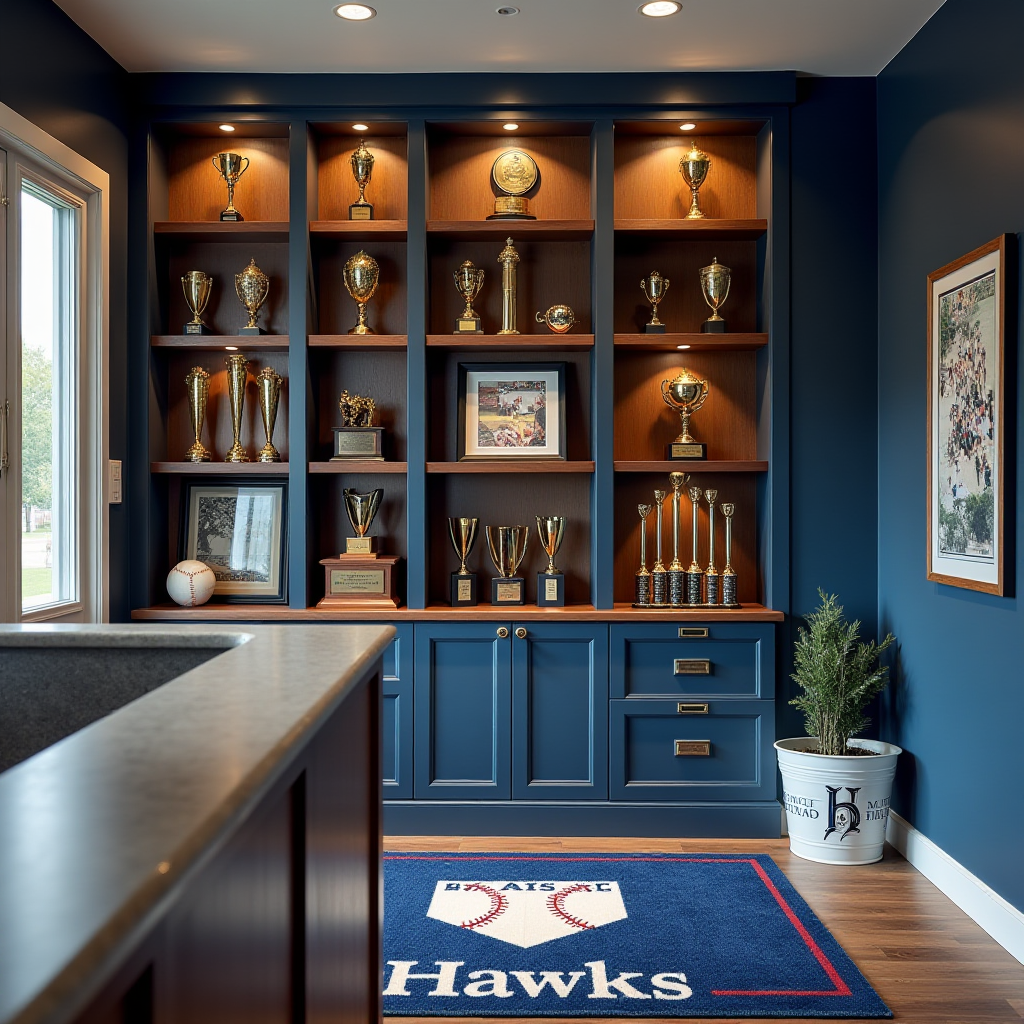
While many travel baseball programs put emphasis on practices, lifting, and personal training sessions, the main focus is on the performance aspect in tournaments. Notice how this isn’t in the development chart above. That’s not a mistake. Performance comes when all of these factors have come together within a player. But the nature of travel baseball depends on new signups to these facilities, which are based, in large part, on the excellence they can provide for their players. Most of the trust building with the client on this front is done through stacks of trophies at the front entrance.
But where are the trophies for the kid that improved the most? For the one that put in the most time at home between training sessions? For the one whose parents went to great lengths to completely revise the way they all ate to ensure their athlete was getting the best possible nutrition to support their growth and development? That last one gets really hard to do when you are on the road for tournaments all the time.
I doubt that I could convince most travel clubs that these have any value whatsoever, but our facility will focus on these achievements because they are essential to complete player development. We want to create personal improvement plans for each player that enrolls in our programs. Taking their goals and working back to where they are, we will develop a plan to get them to where they want to be and support their ability to get there with tools, drills, regular check-ins, and motivation to keep them going, especially when it gets hard.
Travel Ball – A Necessary Evil?
The system has made travel ball necessary at this point though. It can’t be entirely avoided for any serious baseball player. But it wasn’t always that way. So how did we get here? To a place where kids are specializing in positions at such young ages that we are experiencing an epidemic of Tommy John surgeries and other occupational injuries?
“A shocking 45% of youth pitchers are playing without pitch counts or limits, with 43.5% pitching on back to back days!”
When the focus is on how many games you can squeeze into a tournament and not on protecting players’ arms, especially pitchers, you have a recipe for harm. Most of these tournaments have no pitch count limitations. And from what I have heard speaking with travel coaches and watching interviews with them, they would just go to another tournament if one put pitch limits into effect. They want to have their aces on the mound, regardless of how many pitches they have to throw. As parents, we shouldn’t be allowing this to happen to our children. Pitch count is one area where there is uncontested evidence that more is definitely NOT better. More pitches for tired young arms are a recipe for injuries.
This is why Pitch Smart guidelines were developed by USA Baseball and MLB. They are more than just recommendations, although, many travel clubs treat them as such. These guidelines are based on real world data related to pitching and arm injury and the outcomes for the pitcher (i.e., surgery or quitting ball altogether). Recent updates to their reporting shows that there is still so much work to do. A shocking 45% of youth pitchers are playing without pitch counts or limits, with 43.5% pitching on back-to-back days! 20% of those back-to-back games are happening on the same day! That’s absurd! But in travel ball, for many pitchers, that’s a standard issue Saturday.
I think it’s pretty easy to see the link between serious overuse of one’s arm and repetitive use injuries, right? I didn’t hear of anyone in my high school getting Tommy John before graduation. That’s likely related to the fact that we didn’t have travel leagues growing up. We had a game and then it was done. Any extra pitches we were throwing were to our friends after the game just messing around. And while that is still a lot of use for one day, there is a different level of pressure and stress that we put on ourselves and our bodies when the stakes are just bragging rights vs. the outcome of a game with our parents and coaches watching us.
That difference in pressure translates to a difference in the tension that we are holding in our bodies. The fluidity with which I watch my son pitch when he is playing wiffle ball helped me to visualize this. His mechanics are natural, easy, and fluid. He doesn’t even need to use his breath between pitches because he’s too busy laughing and smiling which is doing all the heavy lifting for him. I wrote about the breath and pitching here, you should check it out if you have a few minutes.
But while some travel baseball programs do focus on player development and not just games, it that can cost parents significantly. Especially the ones that are using the travel ball signup as a funnel to their coaches getting private training hours and mandatory equipment that is sold through them (although, I’m sure that is just for convenience and not for an additional revenue stream – right?).
Even with all the extra practice time, which many of these programs will show you breaks down to such low costs for time in their facilities that it’s totally worth it to invest, travel baseball can cost thousands before you spend a single cent on fast-food, gas, lodging, and pet care to make the tournaments and constant travel for games possible.
As an aside, the fast-food piece of this is a point of contention for me. How is a family, assuming that both parents work outside the home, going to be able to prepare healthy foods that actually nourish young, growing, hard-working bodies, if they are borrowing time from tomorrow just to make it to the game or practice on time today? I’m not saying we didn’t do it, we did, and the absurdity of it all was evident at the time too. And we weren’t even having our kiddo play for a big-name travel team, just juggling life, work, home, pets, and baseball was enough some days to force us through yet another drive-through on the way out or the way home. And I think it’s pretty uncontested at this point that almost anything you can get through a drive through is not any good for you. I hope that changes over time, but for now, we need to find better ways to feed our families than that.

But, if you really look at what it takes to become an elite athlete, from the mouths of the elite players themselves, it is not running around like your rear is on fire and your hair is about to catch. To be able to even access your body enough to make the appropriate adjustments to your approach to anything on the field, you need to be getting adequate rest, nutritious foods, preventative arm care, proper recovery time, and time to do things that aren’t just that one sport. Being a well-rounded, well-rested human being makes it much easier to do almost anything. Baseball is no exception to that rule.
The Cost Nobody Talks About
Now, let’s take a few beats to just ponder the real costs of travel baseball. If you are running ragged as a family, all of you are going to be more susceptible to injury, illness, anger, and hurting one another. The joy of watching your kiddo get better every day can quickly vanish when the stress of never being home long enough to keep up with the laundry or yard sets in. Unless you can afford to pay someone to come do all of those things, it’s going to be an added layer of stress, and most people don’t talk enough about it. These stressors result in a lack of wellbeing for the whole family. We need to start demanding better for ourselves.

The physical toll of being a parent to a child in travel ball is higher than most people are talking about too. Think about all of the things we do as parents to support our players. Unless you are coaching or getting out there with them, does any of it involve you doing anything other than sitting there watching? No. No, it does not.
When we went from coaching to watching, I could feel a profound shift in my body. Even though my weight hadn’t changed, my body felt like it was decaying in real time. There was not enough time in the day during the busiest seasons to get too much working out in on top of working, cleaning, and sustaining the family. My husband went through a similar deterioration. It was a harsh reality for us to face, but an important view into what all of the sitting is doing to all of the parents of players across sports that are spending so much time as spectators. I dive more into the health harms from sitting here if you want to check that out sometime.
What if We Did Baseball Differently?
What if baseball didn’t have to be something that any of us stopped participating in? What if we could keep going and playing long into our adulthood? Would it make the effort to learn the game feel more “worth it” for those that don’t end up getting to play at the college level or beyond? Would it help people to have a reason to work out and stay strong? Would it give them a reason to run and jump that they might not otherwise have? What if we could even just work out a little while junior was doing his training sessions instead of sitting some more?
When we started asking this question of people in our circle, we found that we weren’t alone in thinking that maybe this could be a better way for staying healthy longer. Play can be something that you don’t have to outgrow. Nay, play is something that we should NOT outgrow.
And I haven’t even gotten to the little siblings that get dragged along for the ride either. So many young kids are forced to sit and watch baseball for hours a week. And we wonder why they are running off trying to chase every foul ball and doing everything they can to get away from the eyes of their parents. They’re BORED! Many of those same kids are bored on the baseball field, even when they are playing in the game! It’s not exactly soccer when it comes to time on task busy doing something, right? So, we expect these kids to be even more disciplined and able to sit and watch these countless games forever without issue and that is somehow not insane? Especially after they have been forced to sit all day at school already, I think sitting through someone else’s practice or game probably feels like tyranny to a young kid.
But what is the alternative? Break up the family and mom stay home with the littles or takes them to their stuff and dad watches junior play, right?
Well, I say forget that. I love baseball too. I shouldn’t have to be relegated to the “kitchen” and neither should any other moms out there. Actually, many of us are well qualified to be the ones organizing and planning practices. Not just sitting on the sidelines. I talk more about that heree if that resonates and you want to think more about it.
Who is Travel Ball Actually For?
All of this is to say, who is travel baseball actually good for?
Many of the kids that play in the countless travel leagues across the country are not destined for the majors. They may make it as far as college and then move on. But that’s not assured either. And they aren’t getting as many reps as they need to get better just standing in the outfield in more games either. All of that money and time spent that the families will never get back, and for what? And where did the health of the parents go? How did the younger siblings fare? Does your dog even recognize you anymore?
Travel ball is good for the companies that are hosting the tournaments and the teams that are making money coaching your kids. It’s good for Marucci and Easton and Bruce Bolt, but not for your ability to take a vacation to somewhere that isn’t Cooperstown.
And while baseball isn’t alone in this travel culture, it certainly does seem like it has some extra grandiose expectations for costs than many of the other sports don’t. Although, the same complaints about time, money, and nutrition could be made for them as well. And that is because there are a finite number of hours in any given day. These hours are further limited by life under our current circumstances which dictates that most families need a dual income in to survive.
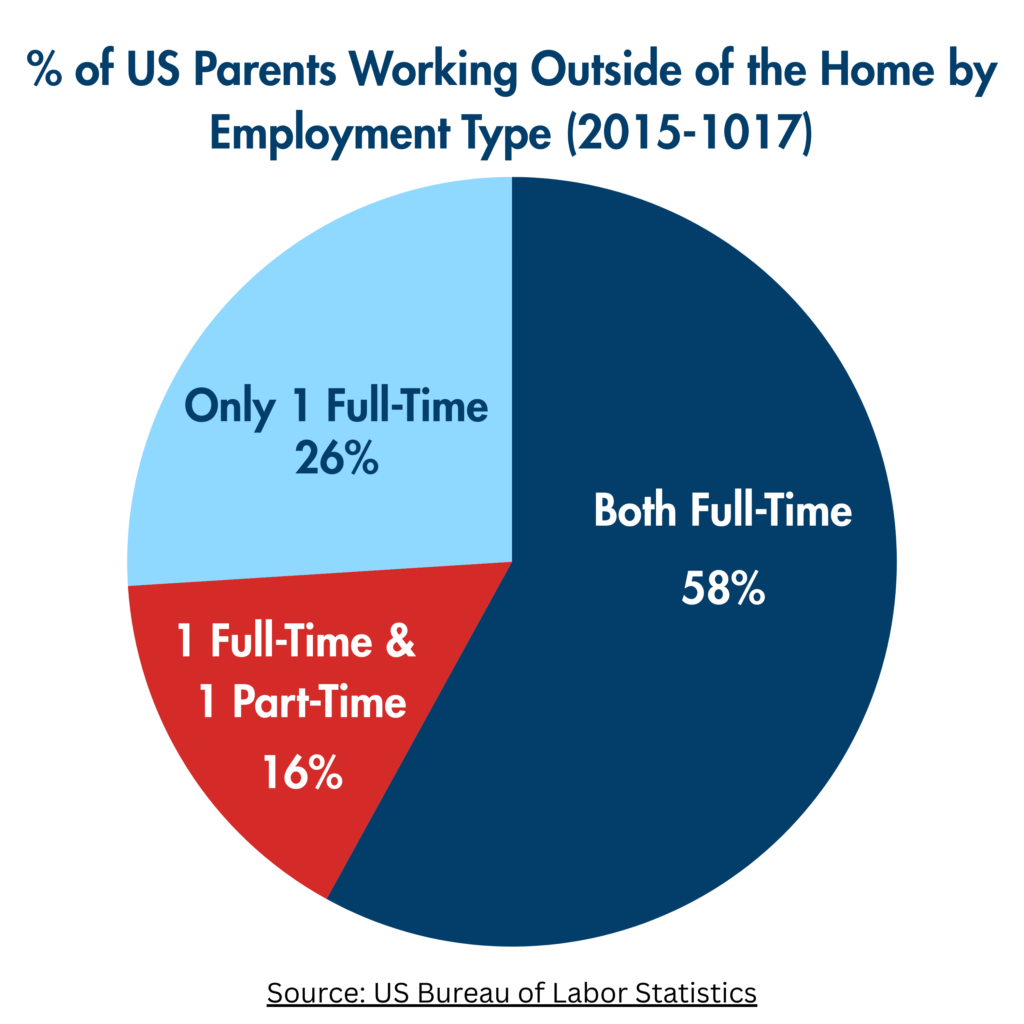
The US Bureau of Labor Statistics cited that 58% of families between 2015-2017 had both adults working full-time and 16% had one full-time and one part-time. That means that less than 30% of families have an adult that is home full-time to be able to take on the brunt of the cleaning, cooking, shopping, and other things that travel baseball makes it practically impossible to get to during the season for families where both parents are working. I’m sure things have skewed even further by now in 2026, although I wasn’t able to find the same data for a more recent time period.
But what percentage of Americans can actually attain the costs – financial, physical, and time related, associated with travel sports? And why aren’t we talking enough about the racial disparities that are omnipresent in that question? We’ll dive into that further in our next article because the families most priced out of travel baseball are disproportionately Black and brown, and that is not an accident. Please subscribe to get alerts when it drops. If it’s already live, I’ll link it here.
Until next time, stay curious,